

RBI Sounds Alarm on Financial Stability Risks Triggered by Rapid AI Adoption
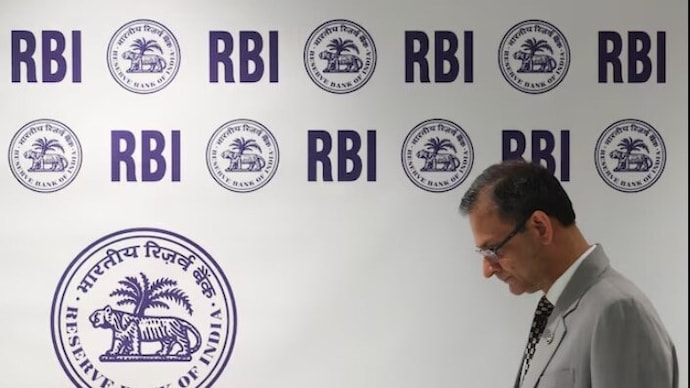
MUMBAI — The Reserve Bank of India (RBI) has officially classified Artificial Intelligence-enabled cyberattacks as the foremost near-term risk to India's financial stability, surpassing traditional threats like ransomware and third-party vulnerabilities. In its June 2026 Financial Stability Report (FSR), the central bank warned that while the traditional banking system remains historically resilient, the rapid and uncoordinated deployment of AI introduces unprecedented structural and systemic vulnerabilities.
The report marks a definitive pivot in regulatory focus. With gross non-performing assets (NPAs) hitting a multi-decadal low of 1.8 percent, the RBI is shifting its attention away from traditional asset quality repair and toward emerging technological risks and liquidity pressures. This shift is crucial because systemic risk is actively migrating beyond regulated banking environments into technology finance and shared digital infrastructure.
Why the RBI is Closely Monitoring AI in Banking
For decades, financial stability was measured primarily through capital adequacy, asset quality, and profitability. However, the latest FSR highlights that resilience can no longer be understood solely through financial metrics. Operational continuity, cyber resilience, and AI governance are now integral to macro-financial stability.
According to a dedicated RBI survey of 33 scheduled commercial banks and 10 upper-layer Non-Banking Financial Companies (NBFCs), respondents ranked AI-enabled cyber threats as the single most significant risk expected over the next 12 months. The central bank's data reveals a concerning gap between institutions' confidence in their cyber posture and their actual readiness for AI-native threats. Furthermore, banks remain heavily dependent on external vendors for cybersecurity functions, which severely compounds third-party concentration risks.
"Financial stability is becoming closely intertwined with the resilience of the technology ecosystems on which institutions depend. Operational continuity and AI governance are no longer peripheral technology concerns."
Algorithmic Risks and Market Vulnerabilities
The FSR also highlights that AI investment is increasingly influencing global bond markets. Major technology companies and hyperscalers are ramping up capital expenditure on AI data centers, increasingly financing these expansions through debt issuances rather than retained earnings.
The RBI cautions that a potential correction in AI-linked asset prices could carry severe systemic consequences. Indian banks hold indirect exposure through private credit firms and other non-bank financial intermediaries (NBFIs) that finance the technology sector. With NBFIs currently expanding at twice the rate of the global banking sector, their heightened leverage and opacity increase the risk of turning localized market turmoil into broader financial instability.
| Emerging Risk | Key Finding | Why It Matters |
|---|---|---|
| AI-enabled Cyber Threats | Ranked as the top near-term risk by banks and NBFCs. | Expands stability concerns beyond traditional market risks. |
| AI Infrastructure Financing | Large-scale AI expansions are heavily debt-financed. | Links tech valuations with broader credit and debt markets. |
| Funding Cost Shifts | Savers are moving from CASA to higher-yielding term deposits. | Pushes up the marginal cost of funds for banking institutions. |
| Household Debt | Reached 45.5% of GDP, driven by non-housing retail loans. | Increases borrower stress and vulnerability to economic shocks. |
Official Statements and the Road Ahead
While the overall tone of the report confirms India's strong macroeconomic fundamentals, it clearly dictates a transition towards forward-looking supervision. The RBI noted that macroeconomic fundamentals provide a cushion against external shocks, but warned that repeated global disruptions could tighten financial conditions over time.
The central bank recently released Guidance on Regulatory Principles for Model Risk Management, a concrete step towards mandating AI governance across the sector. Financial entities must now independently validate AI model accuracy, assess algorithmic bias, and secure comprehensive technical documentation. However, as the industry notes, governing proprietary "black box" models often controlled by foreign vendors remains an intricate challenge for domestic institutions.
Impact on Readers and What Happens Next
For ordinary readers and retail bank customers, the RBI’s findings mean that your financial institutions will likely implement stricter, AI-driven authentication protocols to combat sophisticated fraud. While the traditional banking system is highly capitalized and safe, the rising cost of funds could translate to higher borrowing rates for retail consumers and small business loans. Customers should remain exceptionally vigilant against AI-generated phishing attempts and deepfake financial scams, as these attack vectors are becoming highly advanced and harder to detect.
Frequently Asked Questions
What is the RBI Financial Stability Report (FSR)?
The FSR is a biannual publication by the Reserve Bank of India that assesses the health, resilience, and emerging risks within the Indian financial system. The June 2026 edition highlights both strong banking fundamentals and new technological vulnerabilities.
What are the main risks of AI highlighted by the RBI?
The primary risks include AI-enabled cyberattacks (now ranked as the top risk by banks), systemic exposure to debt-financed AI infrastructure, and the over-reliance on third-party AI technology vendors which could cause widespread operational disruptions.
Is the Indian banking sector currently safe?
Yes. The RBI confirmed that the banking system is highly resilient and well-capitalized, with gross non-performing assets (NPAs) dropping to a multi-decadal low of 1.8% as of March 2026.
How does AI investment affect the bond market?
Major tech companies are issuing significant debt to fund AI data centers and infrastructure. A sudden correction in the value of these AI assets could impact the private credit firms and banks that hold this debt, potentially causing wider market instability.
Why are funding costs for banks shifting?
Savers are aggressively moving their money out of low-cost current and savings accounts (CASA) into higher-yielding options like mutual funds and term deposits. This structural shift forces banks to pay more for capital, which increases their overall cost of funds.
What is the current level of household debt in India?
Household debt has climbed to 45.5% of GDP, driven heavily by unsecured, non-housing retail loans which consistently outpace business and agriculture borrowing.
How is AI used for cyberattacks?
Malicious actors use AI to automate vulnerability discovery, launch highly targeted phishing campaigns, and deploy adaptive malware that can bypass traditional security defenses much faster than human security teams can manually respond.
What is the RBI doing to regulate AI in banking?
The RBI has introduced Guidance on Regulatory Principles for Model Risk Management, requiring financial institutions to independently validate AI models, assess them for biases, and ensure robust cyber and operational resilience before deployment.
